
What Does a Sump Pump Do to Keep Your Home Dry and Safe?
Water in your basement or crawl space isn't just an inconvenience—it's a threat to your home's structure, your family's health, and your peace of mind. Many Bay Area homeowners face this challenge due to our unique geography, seasonal rains, and varying soil conditions. But there's a proven drainage solution that works 24/7 to protect your home: the sump pump.
What does a sump pump do exactly? These mechanical guardians automatically remove water from the lowest areas of your home before it can cause damage. Understanding how sump pumps work can help you decide if this essential water management tool is right for your property.
Sump Pump Basics
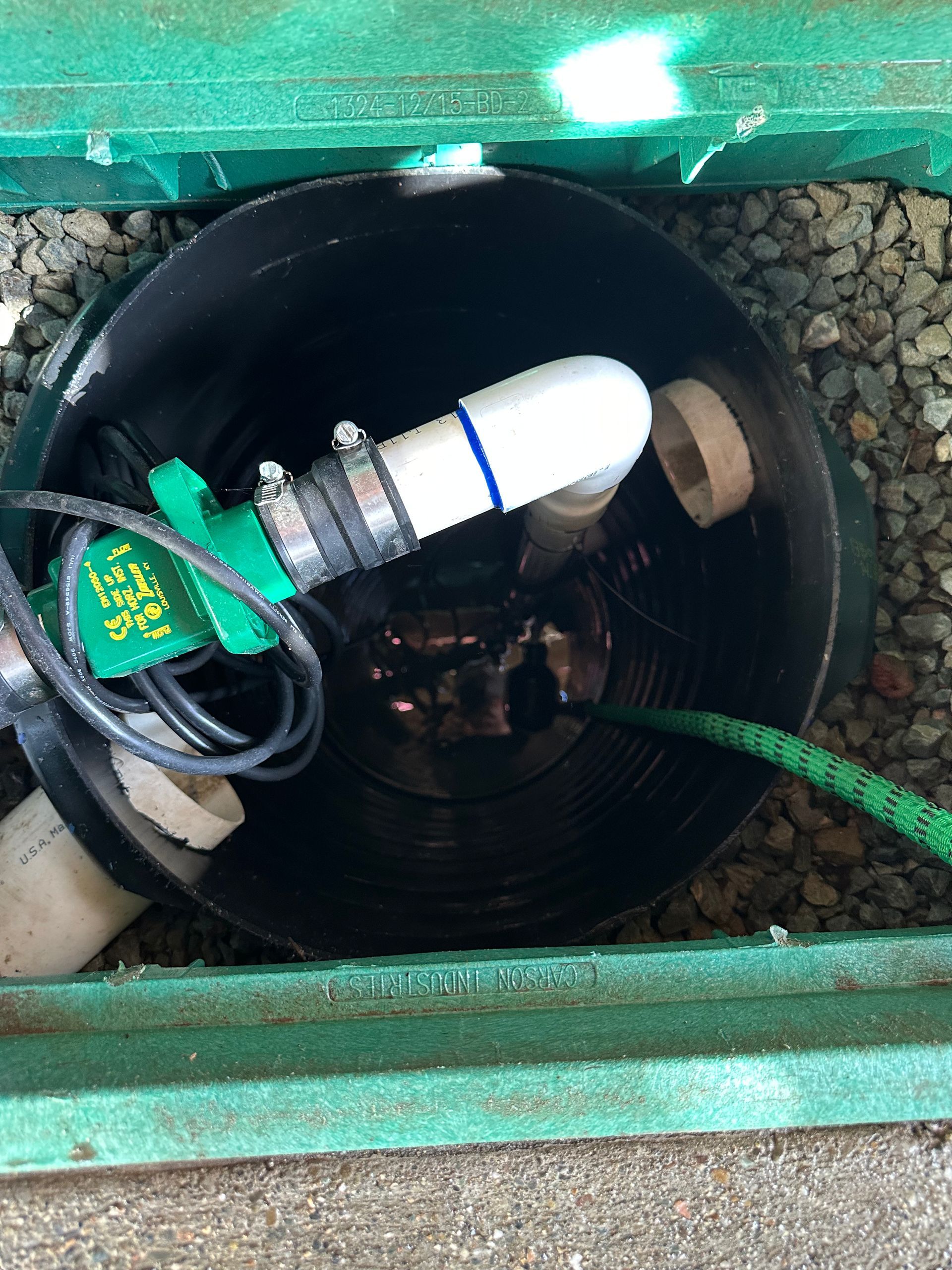
Sump pumps are specialized water removal systems designed to protect your home's foundation and basement from flooding. These devices detect the accumulation of water in a specially constructed pit (called a sump basin) and automatically pump that water away from your home's foundation to a safe drainage area, enabling efficient foundation drainage.
The system relies on a simple but effective process. When water enters your basement or crawl space, it flows into the sump pit, the lowest point in the area. As water collects, a float switch activates the sump pump motor, which draws water through an intake and pushes it out through a discharge pipe. This automated process means your sump pump system works even when you're not home, providing continuous protection.
Modern sump pumps feature durable components that can handle thousands of gallons per hour when necessary. The mechanics are straightforward: detect water, remove water, protect your home.
Signs Your Bay Area Home Needs a Sump Pump
If you notice any of the following signs, your property could benefit from sump pump installation.
Pooling Water and Signs of Moisture
The most obvious indicators are water pooling in your basement or crawl space after storms, persistent dampness, and water stains on foundation walls. If you notice standing water that doesn't drain on its own, these are clear signals that a sump pump system could provide essential protection.
Structural and Environmental Indicators
Look for musty odors in basements, mold or mildew growth on walls, and efflorescence (white mineral deposits) on concrete surfaces. Foundation wall cracks that worsen during wet seasons could mean you have water pressure issues that sump pumps can help address.
Hillside Runoff and Poor Soil Drainage
Homes built on hillsides in Mill Valley or Berkeley Hills often receive groundwater from higher elevations. In addition, properties with clay-heavy soils throughout Alameda and Contra Costa Counties face drainage challenges because clay doesn't absorb water effectively.
Types of Sump Pumps and Their Applications
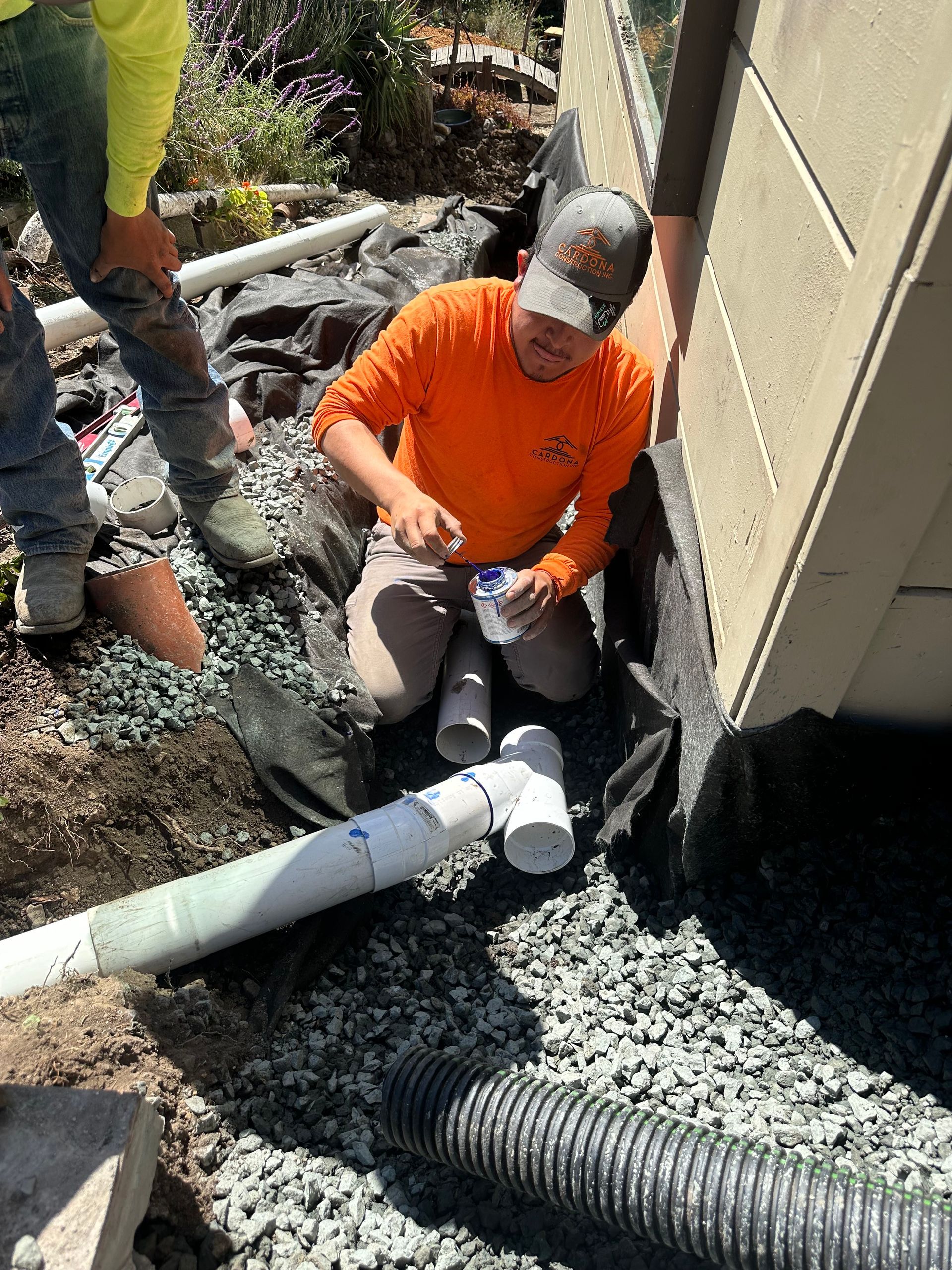
There are four different types of sump pumps, each with its own set of features and benefits.
Submersible Sump Pumps
Submersible sump pumps are installed directly in the sump pit, with the entire unit submerged during operation. These systems run quieter, take up less space, and are typically more powerful. They're ideal for finished basements where noise matters, smaller spaces, or homes dealing with high water volumes. The water-cooled operation keeps them running efficiently even during extended use.
Pedestal Sump Pumps
Pedestal sump pumps feature a motor mounted above the pit with a hose extending down to draw water up. While they’re louder, they're more affordable and easier to fix since the motor stays dry. These work well for unfinished basements, utility areas where noise isn't a concern, and situations where easy maintenance access is important.
Backup Systems
Backup sump pumps provide protection when your primary system fails or during power outages. These systems offer peace of mind for high-risk areas, homes with valuable items in their basements, or properties that have experienced flooding before.
If you have a finished basement or live in close quarters, submersible pumps are worth the extra cost because of their quieter operation. Budget-conscious homeowners with unfinished basements can save money with pedestal systems. Meanwhile, homes that have a history of water problems would benefit most from having a primary and backup system.
Contact Cardona Construction for Professional Sump Pump Services
Professional sump pump installation provides reliable protection against basement flooding and foundation water damage. For most homeowners, sump pumps are simply basement equipment, but for Cardona Construction, they are critical components in water management that can be tailored to each Bay Area property's unique challenges.
Cardona Construction helps homeowners evaluate their properties’ drainage conditions to determine which sump pump best fits their needs and budget. Our team can assess your home's drainage challenges and find the best way to incorporate sump pump systems into your existing infrastructure. Contact Cardona Construction for a free consultation and let our drainage solutions give you peace of mind even during the heaviest downpours.