
How to Clean Concrete Driveways Using Simple DIY Methods
Cleaning a concrete driveway effectively means matching your method to the stain. Pressure washing at 2,500 to 3,000 PSI handles dirt and mildew. Oil needs a degreaser before rinsing. Rust responds to oxalic acid cleaners. The concrete driveways Cardona Construction installs across the East Bay last 30 years or more when stains are cleaned before they damage the surface.
Most homeowners treat a dirty driveway as a cosmetic issue. It's not. Surface stains trap moisture that accelerates cracking and spalling, especially during the Bay Area's annual wet-dry cycle. How you clean matters more than how often.
This guide covers how to clean common driveway stains using methods that protect the concrete instead of damaging it.
Match Your Cleaning Method to the Stain
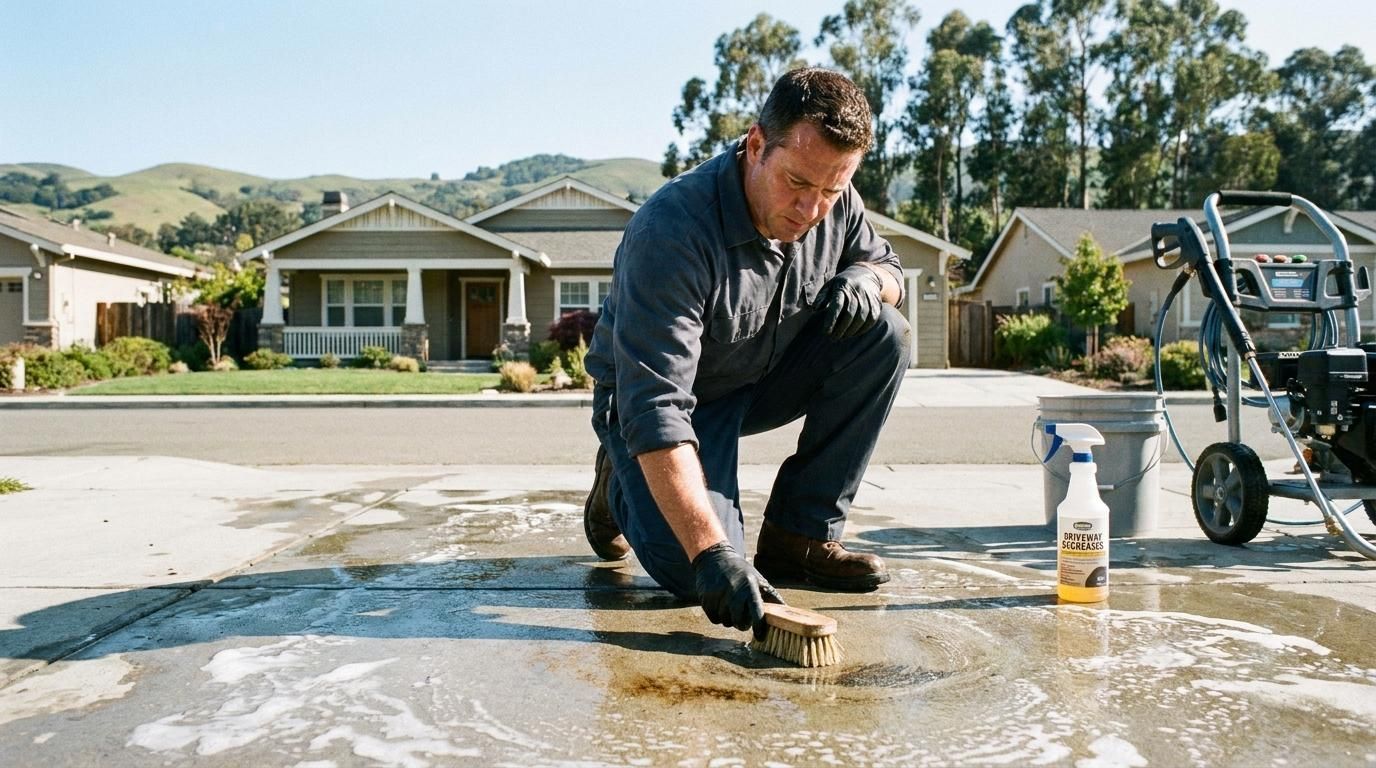
Every stain type requires a different approach. Using the wrong cleaner or technique can etch the surface or push the stain deeper into the concrete.
Oil and Grease
Apply a commercial concrete degreaser directly to the stain and let it sit for 15 to 30 minutes. Scrub with a stiff-bristle brush, then rinse with a pressure washer at 2,500 to 3,000 PSI. For old, set-in oil stains, apply the degreaser twice before rinsing. Dish soap handles fresh spills but won't reach anything that's soaked into the concrete pores.
Mildew and Algae
Mix one part household bleach with three parts water and apply with a pump sprayer. Let it sit for 10 minutes, scrub with a brush, then rinse. Shaded driveways in Berkeley Hills and Oakland develop mildew faster due to reduced sun exposure and morning fog. Cleaning twice a year prevents the growth from embedding permanently.
Rust and Mineral Deposits
Rust stains from furniture legs, tools, or irrigation water need oxalic acid, available as a powder at most hardware stores. Mix according to the label, apply to the stain, scrub, and rinse thoroughly. Never use bleach on rust. It sets the stain permanently instead of removing it.
Pressure Washing Without Damaging the Surface
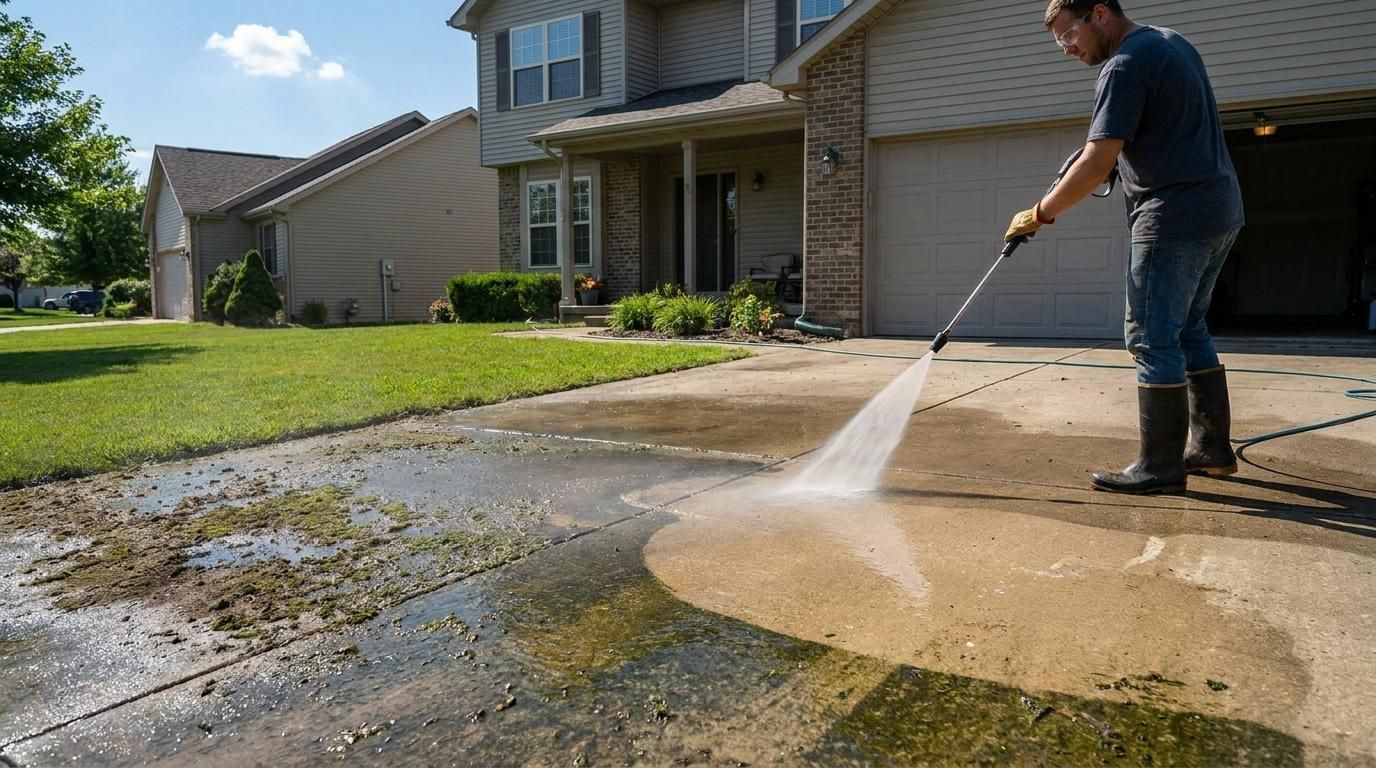
A pressure washer is the most effective tool for general concrete cleaning. Set yours between 2,500 and 3,000 PSI with a 25-degree fan tip for even coverage. Hold the nozzle 6 to 8 inches from the surface and work in slow, overlapping passes to avoid streaking.
Never exceed 3,500 PSI on residential concrete. Higher pressure etches the surface, strips the finished cream layer, and exposes the aggregate underneath. That damage is permanent and far more expensive to repair than the stain you were trying to remove.
Plan to pressure wash your driveway at least once a year. Bay Area driveways in shaded areas or under trees may need a second pass. Spring is the best timing, since you're clearing what winter rains left behind before summer foot traffic sets the stains deeper.
Seal and Protect After Cleaning
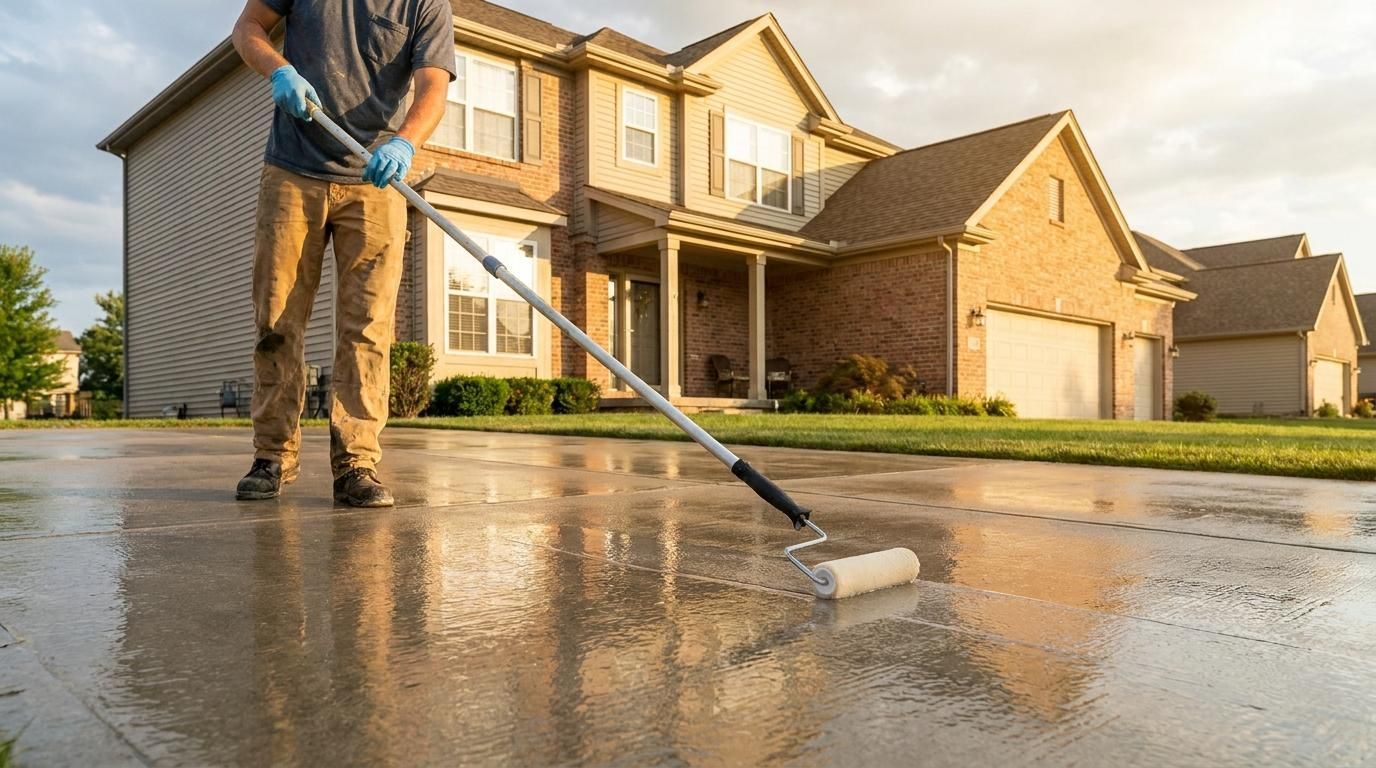
After a thorough cleaning, applying a penetrating concrete sealer is the best next step. Sealers block moisture, oil, and UV exposure from reaching the concrete surface. A quality penetrating sealer lasts three to five years in the Bay Area's mild climate and costs far less than repairing stained or spalled concrete down the road.
Between sealings, sweep regularly to keep debris from trapping moisture against the surface. If your driveway has integrated drainage, keep the drain channels clear of leaves and sediment so water flows off the slab as intended.
When Cleaning Won't Fix the Problem
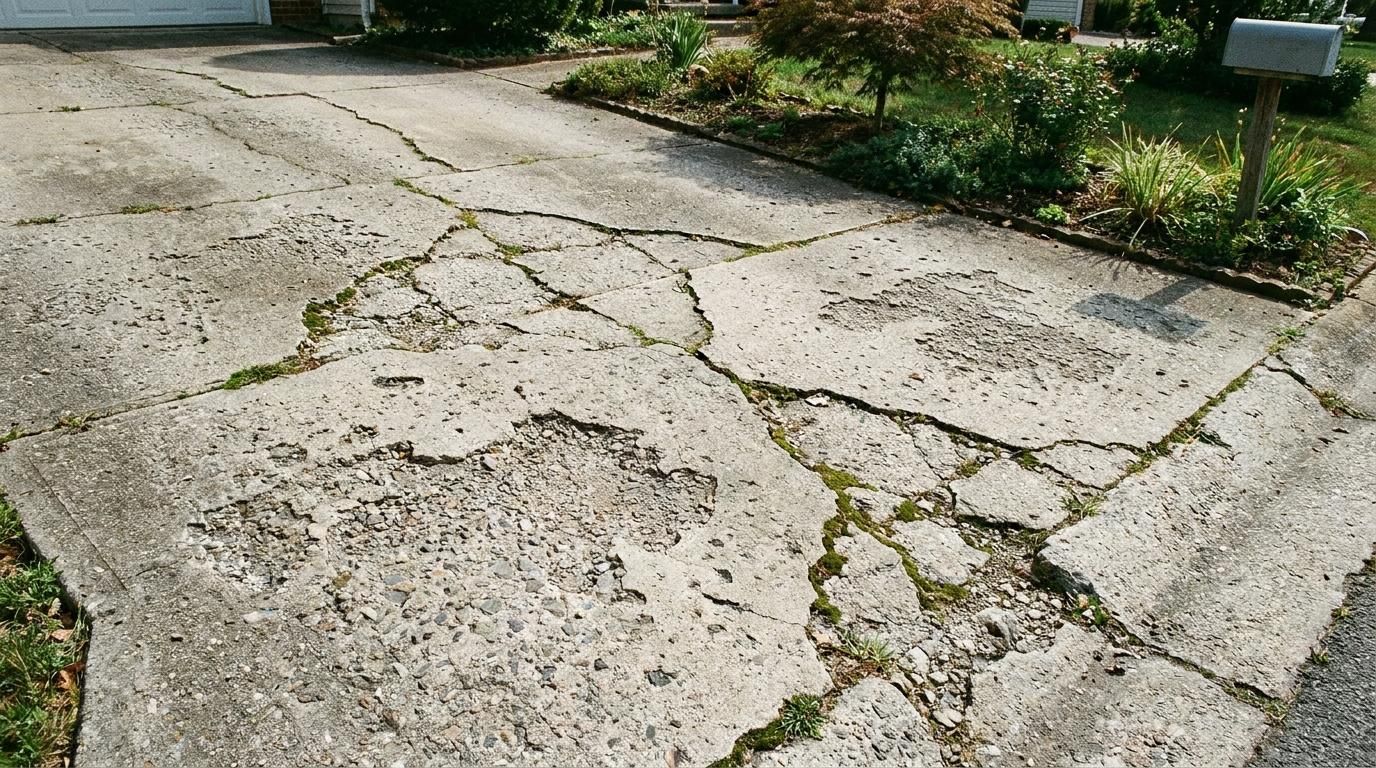
If your driveway shows deep cracks wider than a quarter inch, large spalled patches, or sections that have settled unevenly, cleaning won't restore the surface. Those are structural issues that require repair or full driveway replacement.
The most common cause of premature driveway failure in the East Bay is poor drainage underneath the slab. Water trapped beneath concrete erodes the subgrade, creating voids that cause cracking and settling. Cardona Construction builds driveways with integrated drainage, steel reinforcement, and soil preparation designed for Bay Area clay conditions. If you're weighing a patch job against a new pour, understanding how much new concrete driveways cost helps you plan.
Frequently Asked Questions
How often should you clean a concrete driveway?
At least once a year with a pressure washer, and spot-treat stains as they appear. Driveways in shaded spots or under heavy tree cover develop mildew faster and benefit from cleaning every six months. Prompt stain treatment prevents oil and rust from soaking permanently into the concrete pores.
Will pressure washing damage my concrete driveway?
Not if you keep it between 2,500 and 3,000 PSI with a fan tip. Damage happens when homeowners use a zero-degree nozzle or exceed 3,500 PSI, which etches the finished surface permanently. Cardona Construction recommends the 25-degree tip with slow, overlapping passes for the safest results.
Does sealing a concrete driveway prevent stains?
A penetrating sealer reduces stain absorption and slows moisture damage but won't make the surface completely stain-proof. Oil, rust, and mildew clean up faster on sealed concrete than on bare surfaces. Resealing every three to five years provides consistent protection in the Bay Area climate.
A Clean Driveway Starts With the Right Method
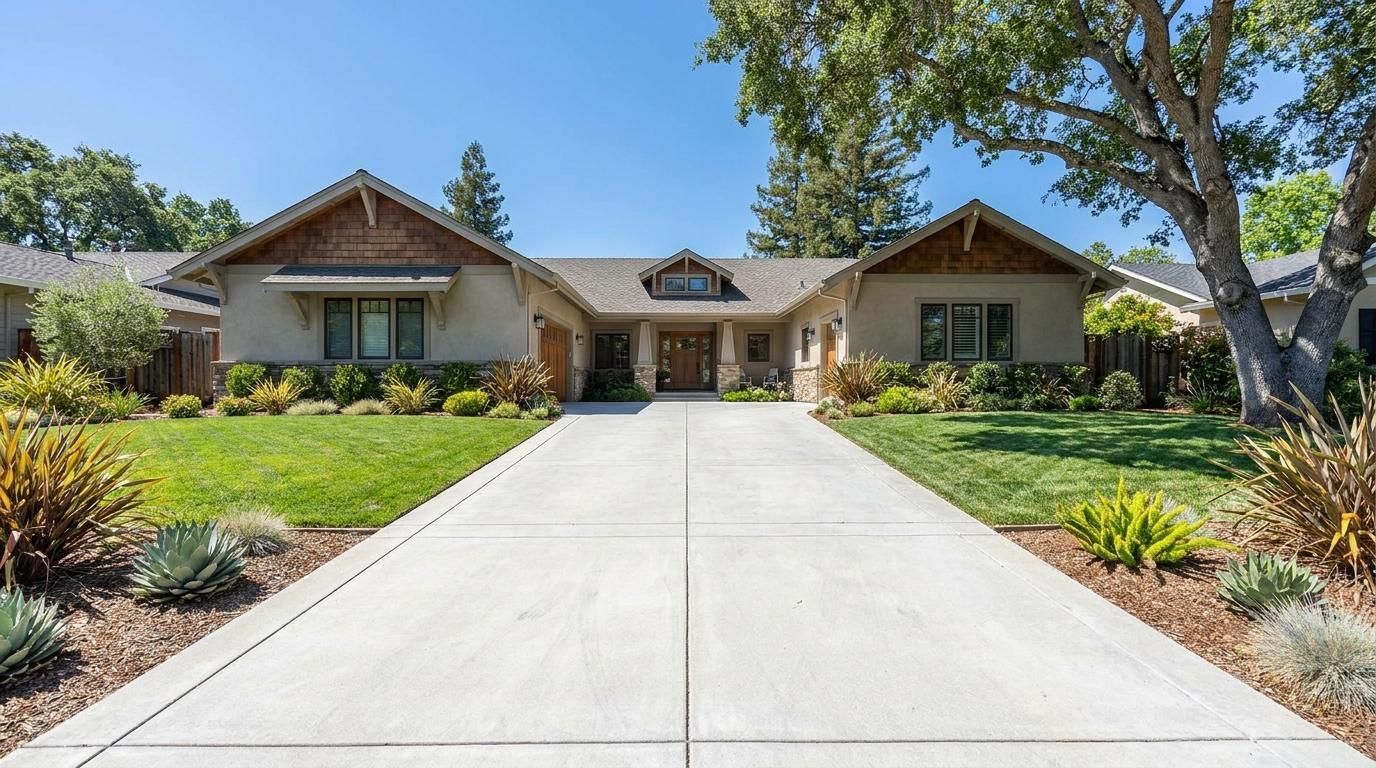
A well-maintained concrete driveway lasts decades without losing its structural integrity or curb appeal. Match the cleaner to the stain, pressure wash at the right PSI, and seal the surface every few years to prevent long-term damage.
For new driveway installation, replacement, or a free estimate on your East Bay property, contact Cardona Construction at (925) 642-6349 or schedule your free consultation online.