
How to Improve Drainage Around Your Foundation and Save Your Home
Improving drainage around your foundation means redirecting water before it reaches your home's walls or footings. The most effective methods include regrading the soil, installing French drains, and adding dedicated foundation drainage systems. Cardona Construction designs these systems for Bay Area homeowners, where clay soil makes proper drainage critical to long-term structural health.
A Richmond hillside property flooded every November for three straight years. After a perimeter French drain installation, the basement stayed completely dry throughout the next two rainy seasons. Here's how to get that result.
Why Bay Area Soil Makes Foundation Drainage Urgent
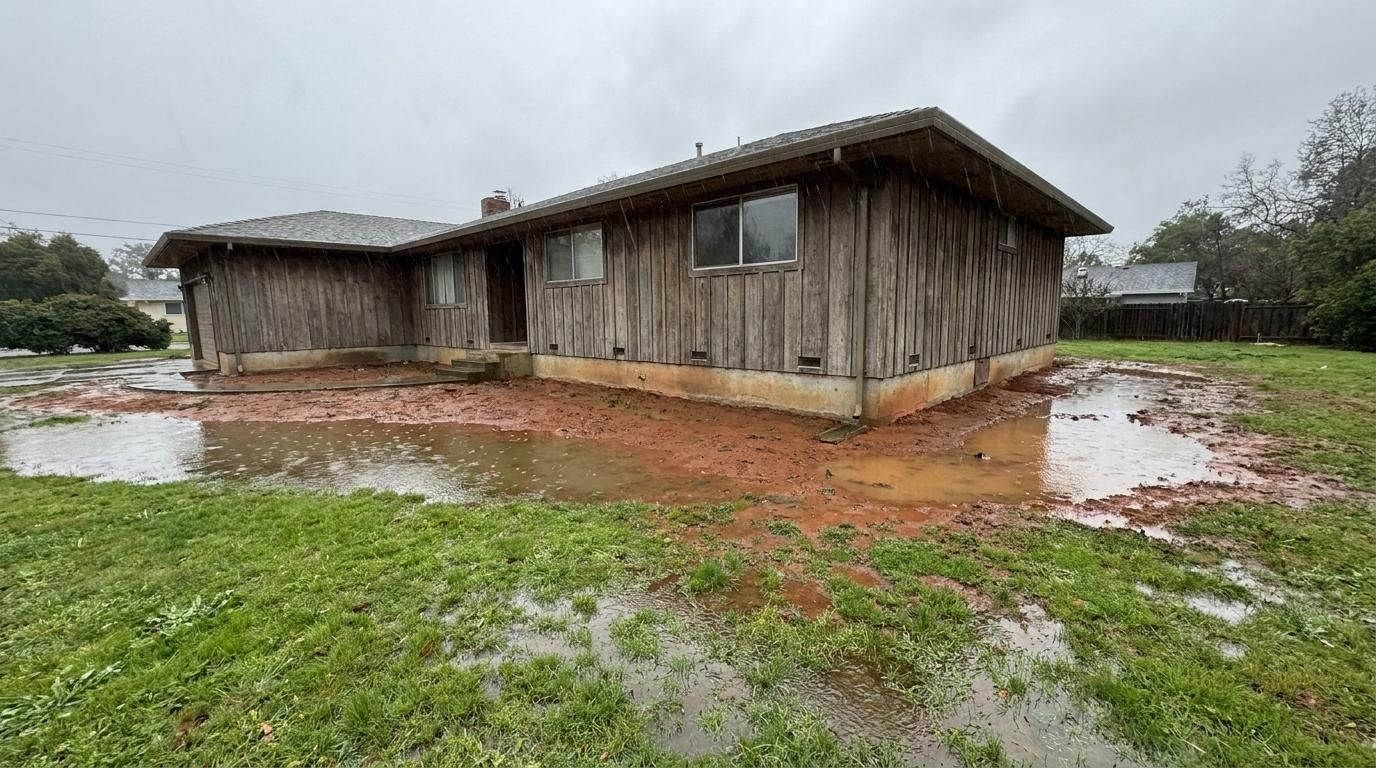
Bay Area soil is predominantly clay. When it rains, clay absorbs water and expands up to 10% in volume, pressing against your foundation walls with thousands of pounds of hydrostatic pressure. That force pushes moisture through concrete pores, hairline cracks, and expansion joints.
The Wet-Dry Cycle
Between November and April, Bay Area clay soil saturates and swells. During dry summer months, it shrinks and pulls away from foundation walls, leaving gaps. The next rainy season fills those gaps with water that has a direct channel to the concrete. This annual cycle widens hairline cracks into structural problems over time.
How Atmospheric Rivers Multiply the Risk
California's rain doesn't arrive gradually. A single atmospheric river event can drop several inches in 48 hours, overwhelming any property without underground drainage. Homes built before the 1970s (common across Berkeley, El Cerrito, and Oakland) often have no drainage infrastructure at all. For these properties, one heavy storm season can cause more damage than the previous decade combined.
Three Methods to Redirect Water Away From Your Foundation
Not every drainage problem needs the same fix. The right approach depends on your property's slope, soil conditions, and where water enters.
Regrade the Soil
The simplest first step is adjusting the grade of soil within 10 feet of your home. The standard is 6 inches of drop over 10 feet, sloped away from the foundation. In many older Bay Area neighborhoods, decades of landscaping and settling have flattened or reversed this grade, sending water toward the house. Regrading typically costs $500 to $3,500 depending on property size and soil conditions.
Install a French Drain
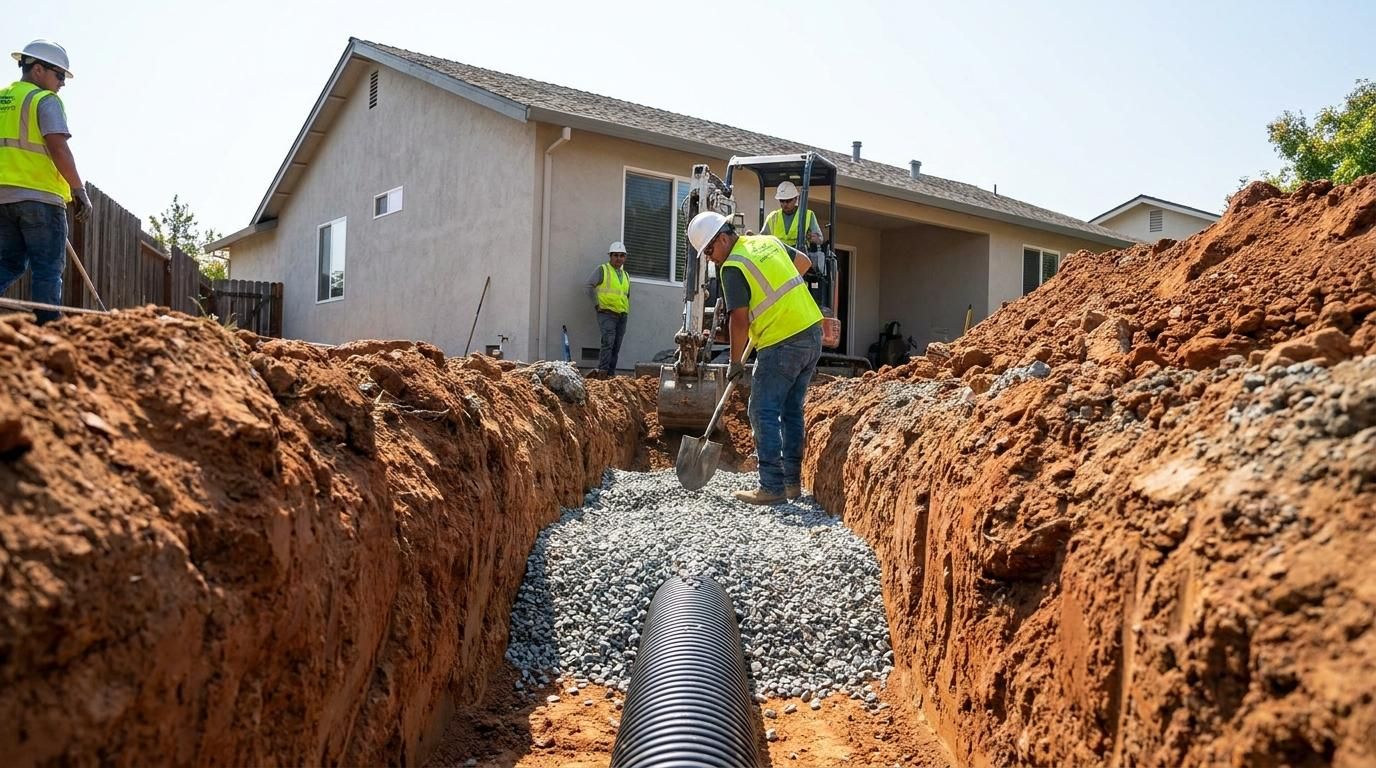
A French drain is a gravel-filled trench with a perforated pipe that collects subsurface water and channels it to a discharge point. In Bay Area clay soil, French drains intercept water at the underground level before it reaches your foundation. Exterior French drain installation runs $10 to $65 per linear foot nationally, with Bay Area projects trending higher due to labor costs and clay soil excavation. Cardona Construction custom-designs each system based on the property's slope and soil composition.
Add Foundation Drainage
For persistent water intrusion at the basement or crawl space level, a dedicated foundation drainage system installed at the footing line is the most direct fix. This involves trenching along the foundation perimeter, placing drainage pipe at footing depth, and backfilling with washed gravel. For hillside Bay Area properties, Cardona Construction often pairs foundation drains with solid discharge lines that carry water well downhill from the structure.
When to Handle It Yourself vs. Hire a Professional
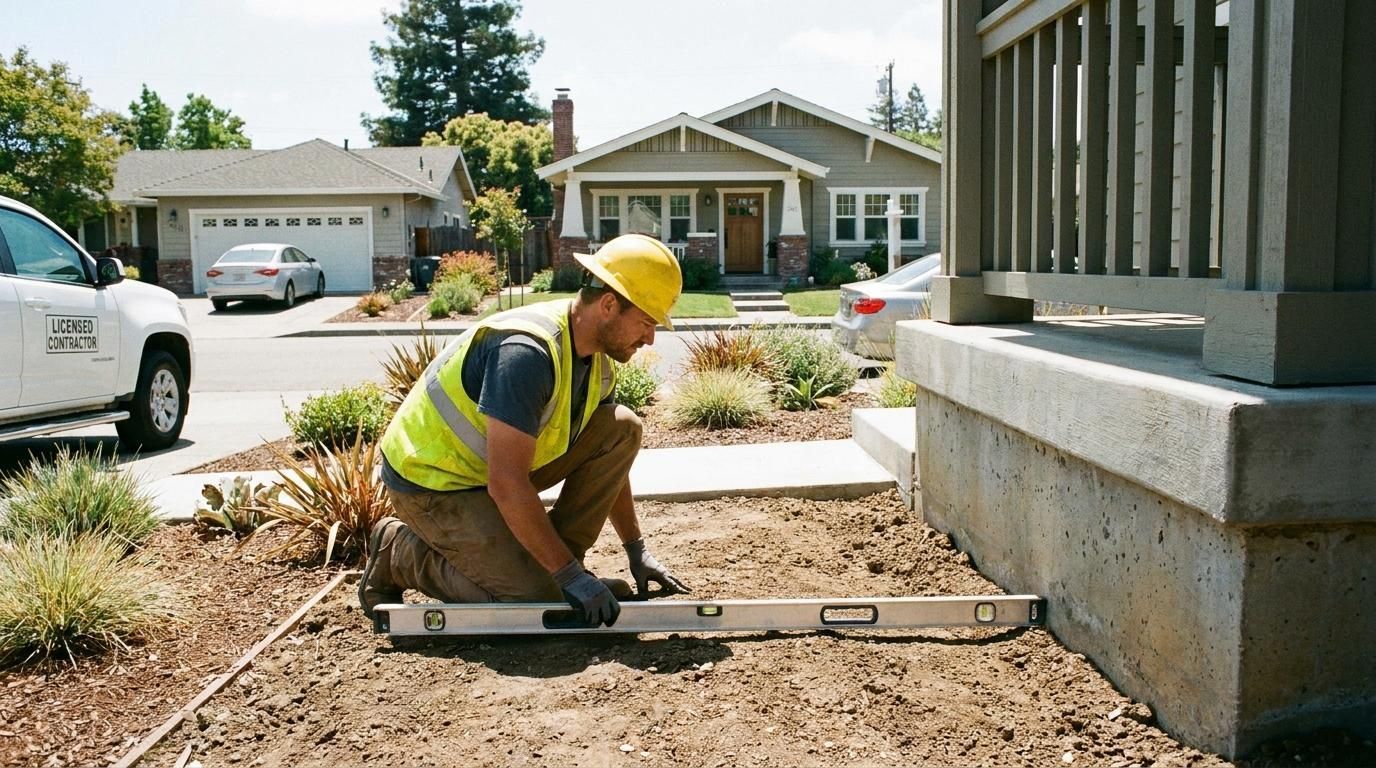
Regrading soil and extending downspouts are manageable homeowner projects. Both need basic tools, minimal excavation, and a weekend of effort.
French drain installation and foundation drainage systems cross into professional territory. Proper slope calculation, pipe sizing, trench depth, and connection to discharge points all carry risk if done incorrectly. A drain with the wrong slope can reverse water flow and pool moisture directly against the foundation—the exact problem you're trying to solve.
Cardona Construction provides free on-site evaluations for Bay Area homeowners to assess your property's drainage conditions and recommend the right approach. If regrading alone will solve the issue, they'll tell you.
Frequently Asked Questions
How much does it cost to improve foundation drainage?
Regrading costs $500 to $3,500 depending on yard size and soil conditions. French drain installation in the Bay Area typically runs $25 to $75 per linear foot for exterior systems. A complete foundation drainage system ranges from $5,000 to $15,000 for most Bay Area properties.
Can poor drainage really damage a foundation?
Yes. Water sitting against a foundation creates hydrostatic pressure that forces moisture through concrete and accelerates crack growth. Cardona Construction regularly sees foundation damage caused by inadequate drainage across Alameda and Contra Costa Counties, particularly in clay soil that holds water against walls for months.
What's the best time of year to install drainage?
Late spring through early fall, when the ground is dry and excavation conditions are easiest. Installing before the November rainy season gives the system time to settle and perform properly when the first storms hit. Waiting until winter makes the work harder and more expensive.
Protect Your Foundation Before the Next Storm
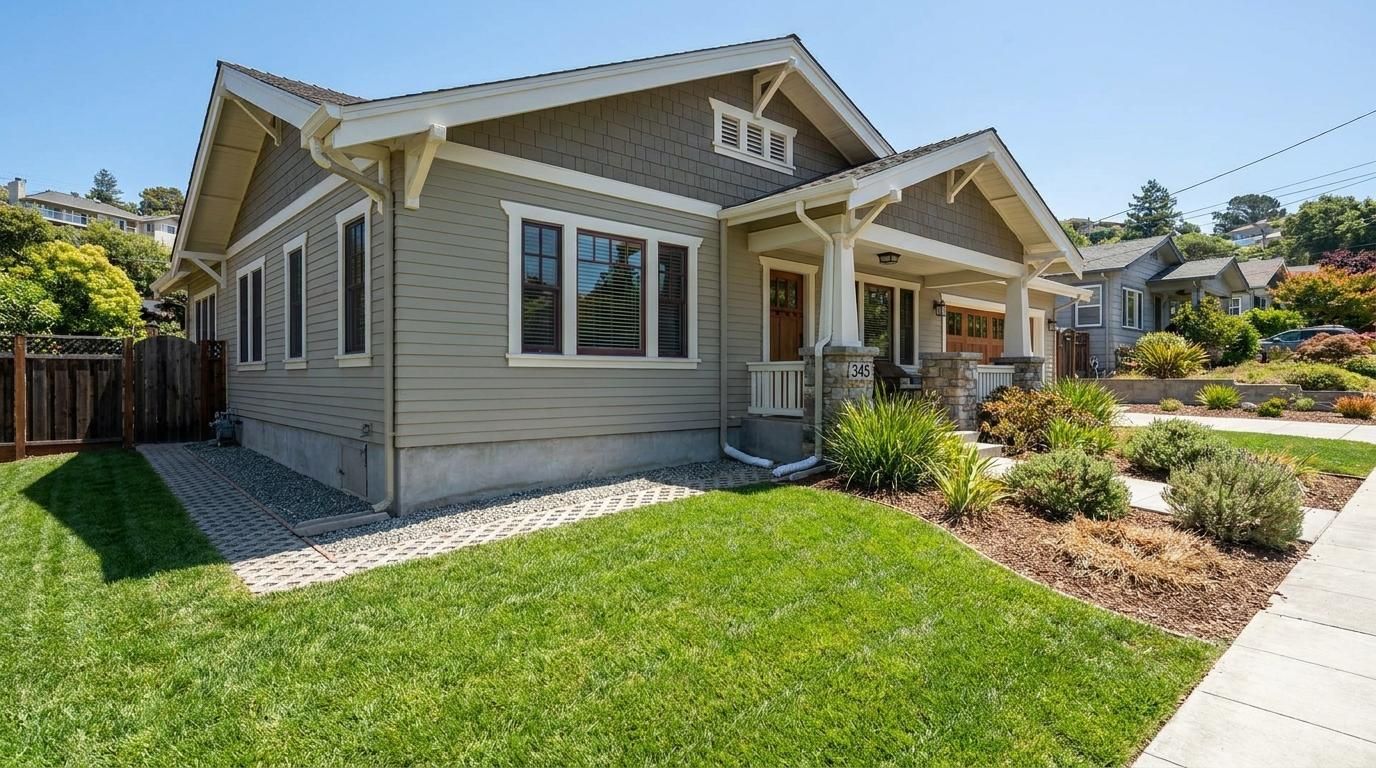
Foundation drainage isn't optional for most Bay Area properties. It's the line between a dry basement and a costly structural repair. Whether your home needs regrading, a French drain, or a complete foundation drainage system, acting before the next wet season saves you money and prevents damage that compounds every year.
Contact Cardona Construction at (925) 642-6349 or schedule your free on-site evaluation to protect your Bay Area home.