
How Long Will a Sump Pump Last? Maximizing Your Investment
A typical primary sump pump lasts seven to ten years. Their battery backup units average five to seven years because they handle surge conditions and power outages, which puts more strain on the motor during each cycle. Based in El Cerrito, Cardona Construction Inc. has installed and replaced sump pumps across the Bay Area for over 40 combined years, and Bay Area conditions usually push the range toward the lower end.
A homeowner in El Cerrito called last January after her 12-year-old pump ran for four straight days during an atmospheric river and burned out. The motor had been cycling more often the previous winter, but nobody noticed. That quiet decline followed by sudden failure is how most Bay Area sump pumps end their service life.
What Determines How Long a Sump Pump Lasts?
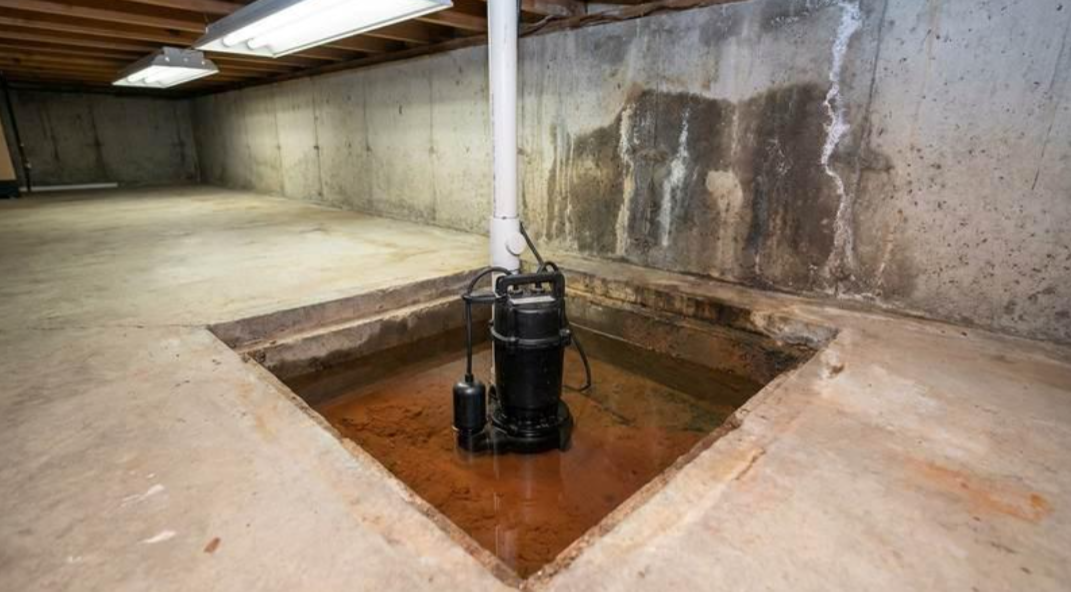
Four factors control sump pump lifespan, and three of them are within a homeowner's control.
How Often Your Sump Pump Operates
Frequency of operation matters most. A pump that cycles a few times per month typically lasts about twice as long as one that cycles daily. Bay Area homes at the bottom of hillside runoff, especially in El Cerrito, Richmond, and parts of Oakland, can see pumps cycle hundreds of times during a single atmospheric river, which wears motor brushes and float switches on a predictable curve.
How Much Sediment Is in the Water
Sediment-heavy water from clay soil grinds impellers and shortens pump life by years. Iron bacteria and mineral content scale internal components faster than municipal water does. For an overview of how these systems function, see our post on what a sump pump does for Bay Area homes.
How Well It Was Installed
A correctly sized pit, a properly vented discharge line, a check valve at the right height, and a solid electrical connection each add years. The fourth factor, brand quality, matters less than the first three.
Warning Signs Your Sump Pump Is Nearing the End
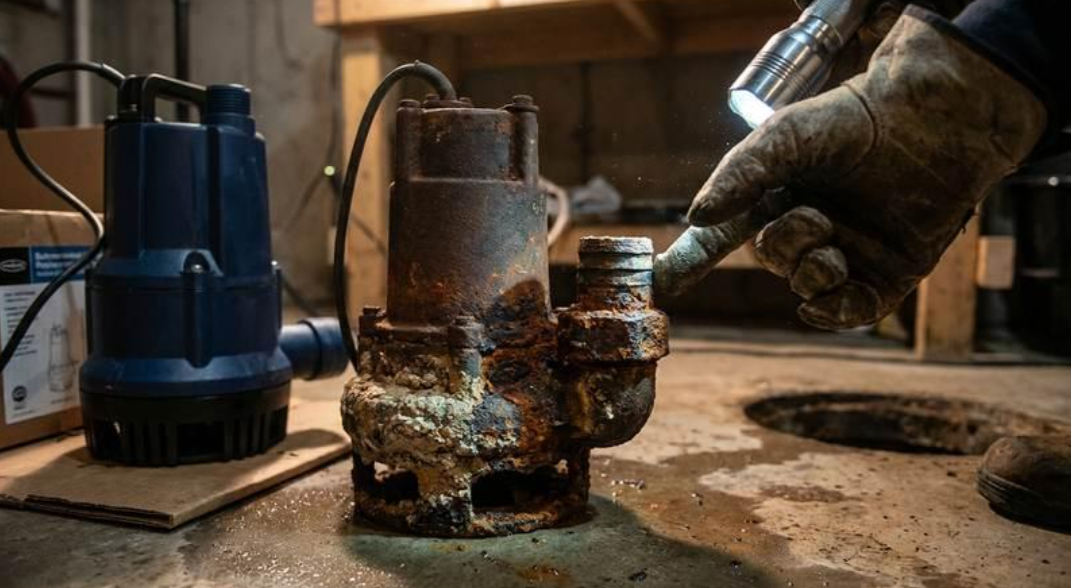
Most sump pumps give two winters of warning before they fail outright, if the homeowner knows what to listen for.
- Unusual noises during cycling (grinding, rattling, or a high-pitched whine that did not exist a year ago)
- Irregular or longer cycles that used to finish quickly
- Visible rust on the housing, base, or discharge fittings
- Excessive vibration in the pit
- Infrequent operation when it should be running (a symptom of float switch failure)
- Any pump over seven years old that has never had a maintenance inspection
A pump showing two or more of these signs is typically in its final season. Planned replacement before the next rainy season is significantly less expensive than emergency replacement during a flood.
How To Maximize Your Sump Pump's Lifespan
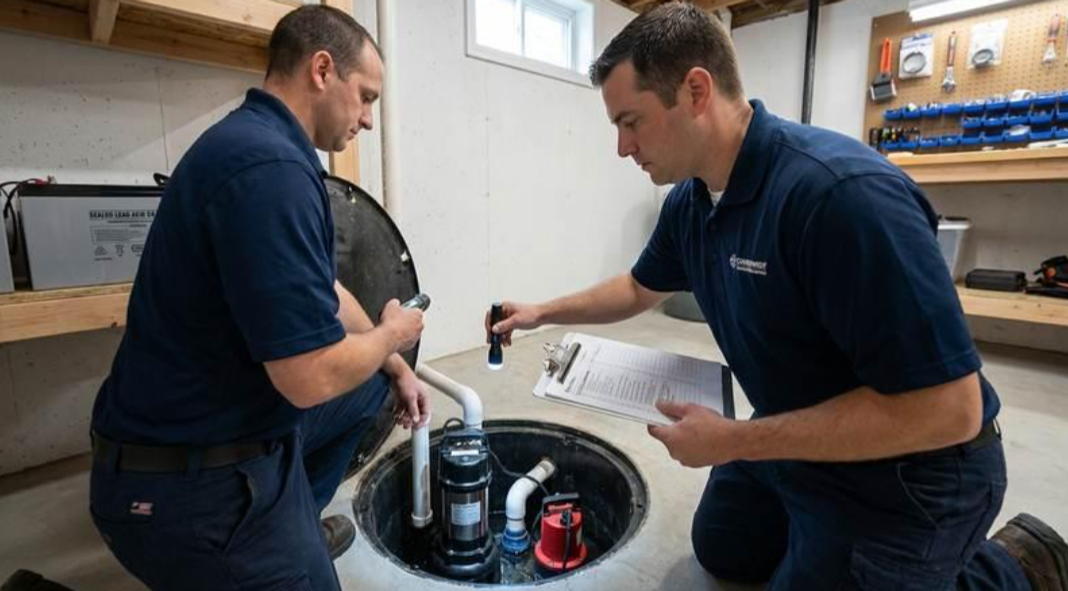
Three habits extend the working life of any sump pump by years.
First, schedule an annual inspection in the fall, before the rainy season starts. The pit is cleaned of sediment, the float and check valve are tested, the discharge line is verified, and the electrical connection is checked. This takes under an hour on a healthy system.
Second, pour a five-gallon bucket of water into the pit every two months to verify the pump cycles on and off cleanly. A pump idle for eight dry months is more likely to fail the first time it runs than one that has been exercised.
Third, budget for a battery backup unit. During winter storms, PG&E outages are when a primary sump pump is most likely to be called upon and least likely to have power. Learn more about installation by visiting our post on how to install a sump pump. For replacement across Concord and the broader Bay Area, a local contractor can assess your drainage needs and recommend the right system for your property.
Frequently Asked Questions
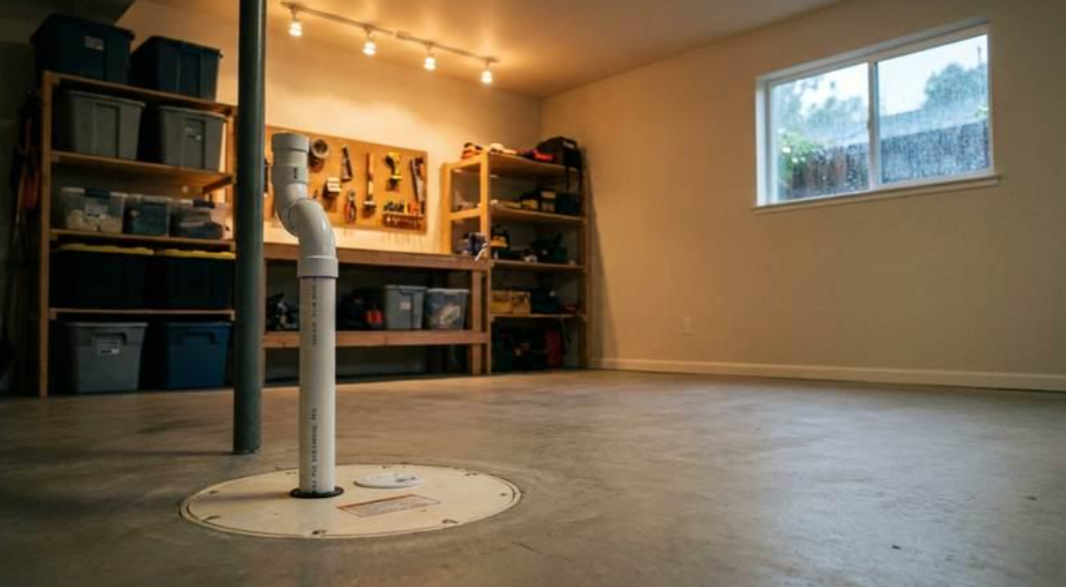
Does a battery backup sump pump last as long as a primary pump?
Typically no. Battery backup units average five to seven years because each full discharge shortens battery life, and the pumps themselves are smaller. The battery should be tested annually and replaced every three to five years, regardless of how the pump is performing. That schedule is part of any responsible sump pump service plan.
Should I replace my sump pump before it fails?
If your pump is over seven years old and shows any of the two warning signs, yes. Planned replacement costs far less than emergency replacement during a storm, and it avoids the interior water damage a failed pump can cause. Insurance often doesn't cover flood damage from a mechanical failure.
Can Cardona Construction service my existing sump pump?
Yes. Cardona Construction evaluates existing sump pump systems throughout the Bay Area, tests their functionality, and advises whether cleaning, component replacement, or a full system replacement is the right move. Free on-site evaluations include a written recommendation you can use to plan the next step.
Planning Your Next Sump Pump Decision
A sump pump is one of the quietest long-term investments in a Bay Area home. When it's well-maintained, it protects the basement or crawl space for a decade without a thought. If neglected, it fails during the one storm that makes failure most expensive. The real choice is between modest yearly care and a wet basement on the worst possible night.
If your pump is more than 7 years old, has never been serviced, or you moved into a home with an unknown drainage history, a free on-site evaluation will tell you where you stand. To schedule one, contact Cardona Construction or call (925) 642-6349 .