
Essential Maintenance: How To Clean French Drains Properly
Cleaning a French drain means clearing debris from the outlet and inlet grates, flushing the perforated pipe with pressurized water, and clearing silt or sediment buildup in the gravel bed. Fernando Cardona and his crews have serviced French drains across Alameda and Contra Costa Counties for decades, and the protocol below is the one they follow each spring.
Late spring is the right window to service a Bay Area French drain. Winter rains have revealed every weak point, and the ground is dry enough to work without turning clay to mud. Wait until fall, and a clogged system often surfaces once the rains start again.
When To Clean Your French Drain
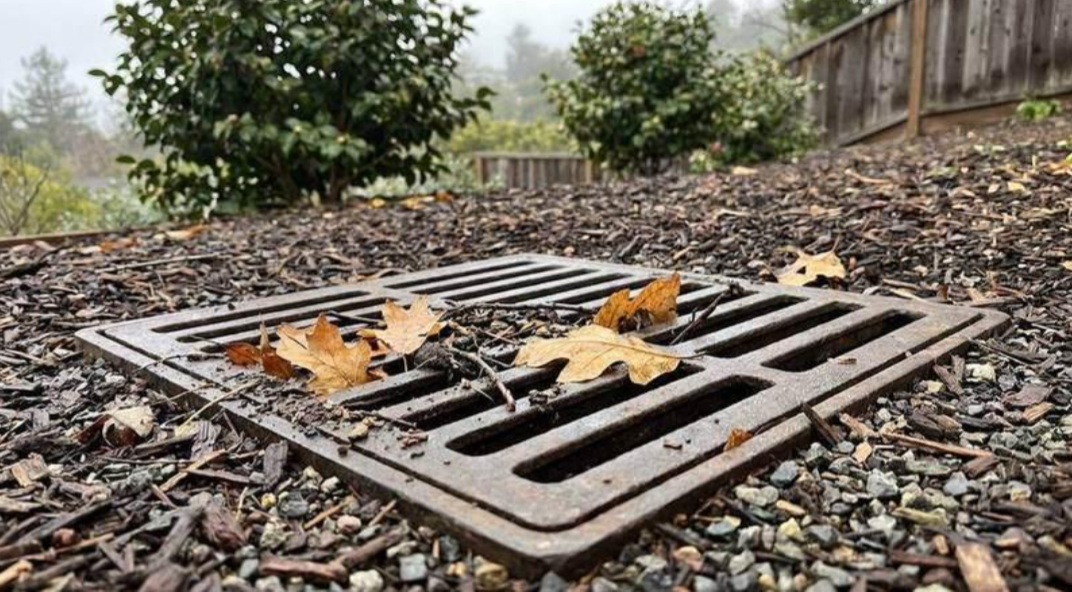
Most Bay Area French drains benefit from light maintenance once a year and a deeper clean every two to three years. The timing matters as much as the frequency.
Spring, roughly April through early June, is the ideal window. The atmospheric river storms have flushed every weakness to the surface, and the clay-heavy soil has dried enough to work. A mid-summer clean is fine but misses the chance to observe how the system handled peak flow.
Here are signs that you shouldn't defer maintenance:
- Standing water over the drain line the day after a storm
- A slow or dripping outlet when the grate is clearly flowing at the inlet
- A musty smell near the foundation drainage
- Loose silt on the driveway or sidewalk downstream of the outlet
Any one of those means sediment or roots is partially blocking the flow. Our post on common drainage problems across California enumerates the root causes.
How To Clean a French Drain Step by Step
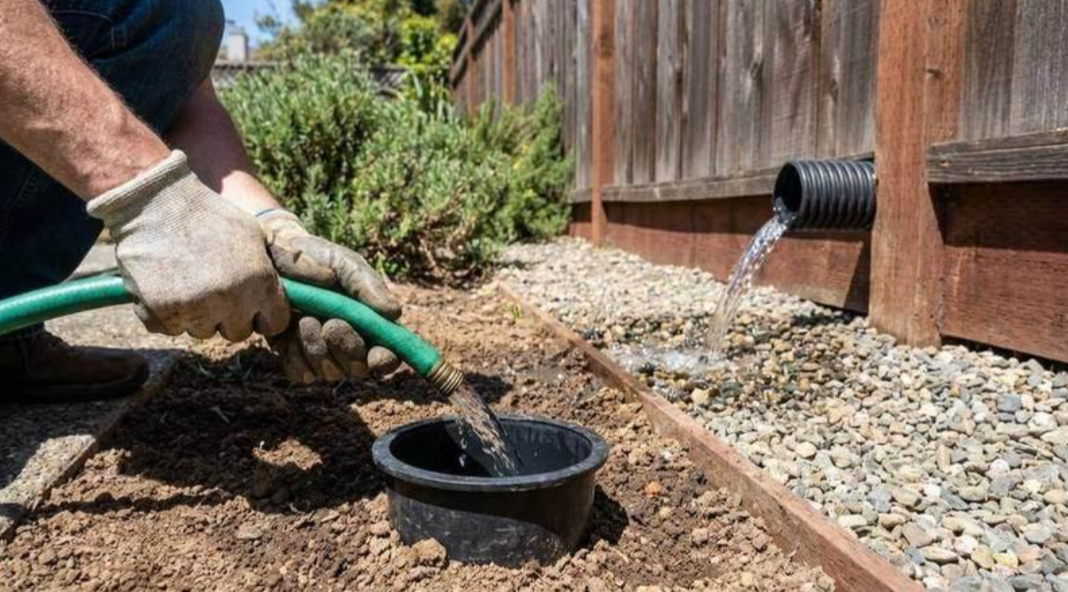
For a light annual clean, a homeowner with a garden hose and a few hand tools can handle most of the work in an afternoon.
Step 1: Clear the Surface
Remove leaves, soil, mulch, and landscaping debris from every grate, inlet, and outlet. A stiff hand broom and a shop vacuum work better than a leaf blower, which tends to push debris deeper into the pipe.
Step 2: Flush the Pipe
Insert a garden hose into the highest inlet and run full flow for five to ten minutes. Watch the outlet. Water should exit steadily within thirty seconds. A weak or delayed flow means sediment has collected in the low points of the line.
Step 3: Clear Persistent Blockages
For stubborn clogs, a plumber's drain auger or a rented pressure jetter can clear roots and silt without damaging the perforated pipe. If the flow doesn't improve after jetting, the system likely has a failure beyond cleaning. Our guide on how to unclog a drain covers specific scenarios in more detail.
When Cleaning Is Not Enough
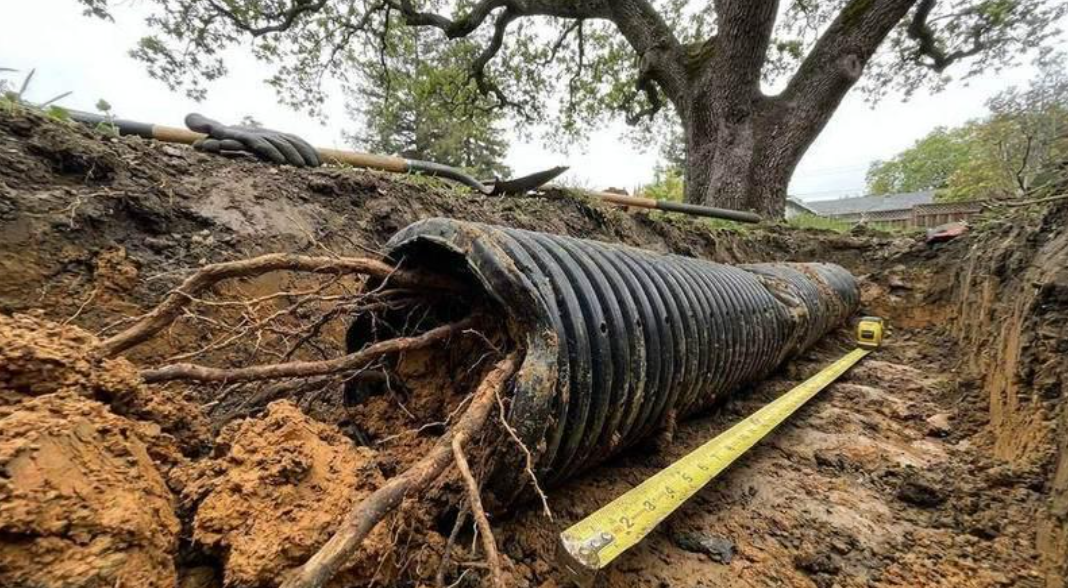
Maintenance can't fix a drain that was installed without filter fabric, pitched incorrectly, or crushed by tree roots or settled clay soil. Those are design or integrity issues that flushing won't resolve.
Four signals point to a system that needs rehabilitation instead of cleaning:
- Repeated clogs after jetting
- Visible pipe sag at the outlet
- Sinkholes or low spots directly above the trench line
- Standing water that returns within a week of every service
Bay Area clay soil accelerates all four because it shifts seasonally and squeezes undersized pipes. At that point, targeted repair or a partial reinstallation of French drain sections is the honest next step.
Annual cleaning of a properly installed system is reasonable; annual cleaning of a broken one is paying to delay the real fix.
Frequently Asked Questions
Can I pressure-wash inside a French drain?
You can use a low-pressure drain jetter, not a standard pressure washer. Consumer pressure washers produce narrow jets that can blow filter fabric off perforations and push debris sideways into gravel. A sewer-jetter attachment with a forward-facing tip is designed for this and is the tool most Bay Area pros use for annual service.
How often should a French drain be professionally serviced?
For Bay Area properties with mature trees or hillside runoff, every two to three years is typical. For simple flat yards with minimal debris, every three to five years is fine. Cardona Construction services French drains across Berkeley Hills, Orinda, and the surrounding Bay Area during dry months.
What happens if I never clean my French drain?
Silt and roots accumulate, flow slows, and the system gradually backs water up toward the inlet. In Bay Area clay, that water has nowhere to go and begins saturating the soil the drain was built to protect. Neglected drains usually fail in a three-to-five-year storm cycle rather than from sudden damage.
Keep Your Drainage System Dependable
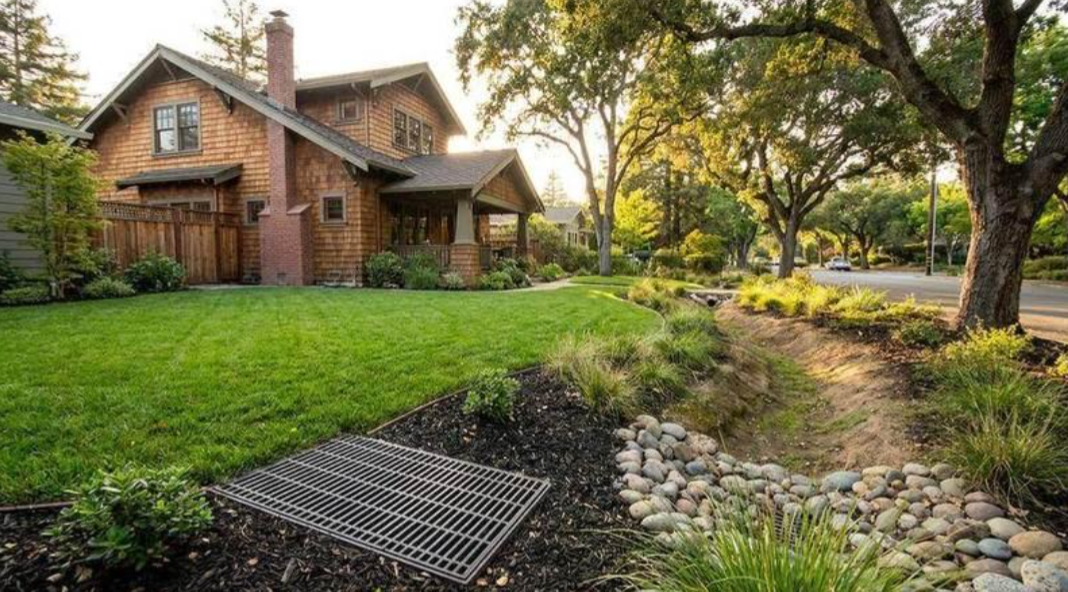
When it comes to French drain maintenance, the real choice you're making is between yearly care and eventual replacement. A clean inlet, a clear outlet, and a flushed pipe are all that a well-installed French drain needs to keep water moving away from your foundation. Skipping those steps often turns a twenty-year system into a five-year one.
If your drain is showing symptoms beyond ordinary buildup, or you aren't sure whether the original installation was done right, a site evaluation will give you the answer in one visit. To schedule free drainage maintenance or inspection, contact Cardona Construction or call (925) 642-6349 .