
How To Repair Concrete Driveways: Fix Cracks and Damage Like a Pro
The method for repairing concrete driveways depends on the type of damage. Hairline cracks should be sealed; medium cracks should be routed and filled with a polymer-modified patch; and structural cracks usually require partial slab replacement.
An experienced crew can tell within 30 seconds which cracks are cosmetic and which indicate slab movement. Off-the-shelf fillers can handle the first, but bond poorly to the second. With over 40 combined years working with Bay Area soil and concrete, Cardona Construction Inc. has handled driveway repairs from Oakland to Concord. The countless repair jobs we've handled have taught us that most Bay Area jobs need two of these techniques.
Matching the Repair to the Damage
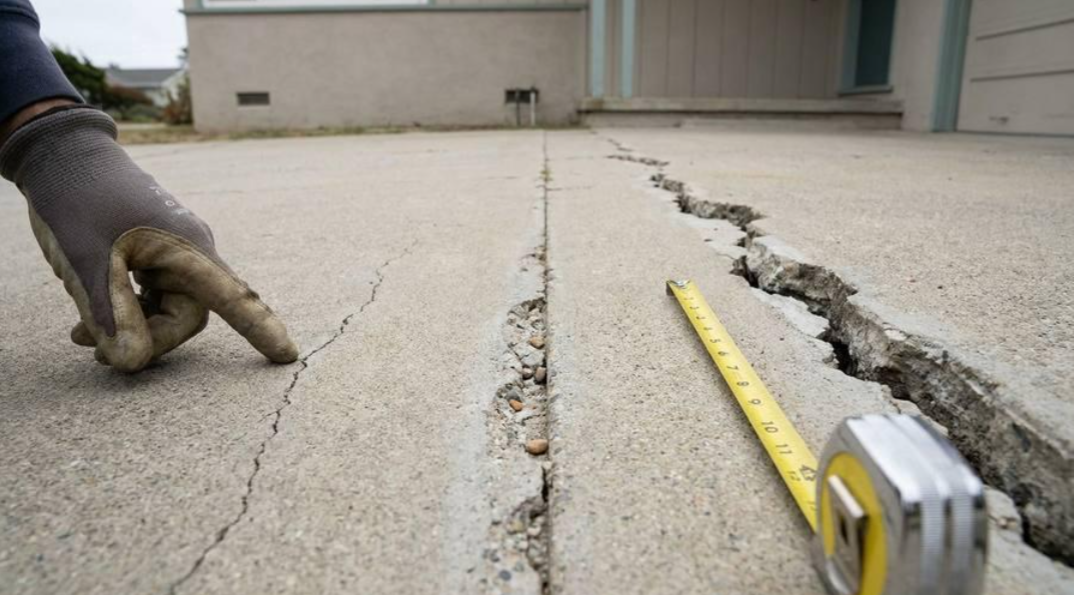
Every concrete driveway repair starts with one question: did the slab move, or is the concrete just weathered? The answer dictates method, materials, and cost.
Hairline Cracks (Thinner Than a Business Card)
These are almost always cosmetic. Surface shrinkage, curing stress, and temperature swings open them as the slab ages. They do not widen season to season, and a quality sealer keeps water out.
Medium Cracks (Dime-Width To Quarter-Width)
Medium-sized cracks usually mean minor settling or a weak subgrade spot. They respond to routing and patching if caught early. Ignored, clay soil moisture drives each seasonal swing a little deeper, turning a fixable crack into a replacement job.
Wide Cracks
Stair-step breaks and pieces you can rock with your shoe indicate that the slab has moved. No filler bonds to moving concrete. Those sections get cut out and repoured. The fix is worth doing correctly because East Bay concrete driveways are a significant investment. Leaving structural damage in place only makes the repair more expensive later.
How To Repair Hairline and Medium Cracks Step by Step
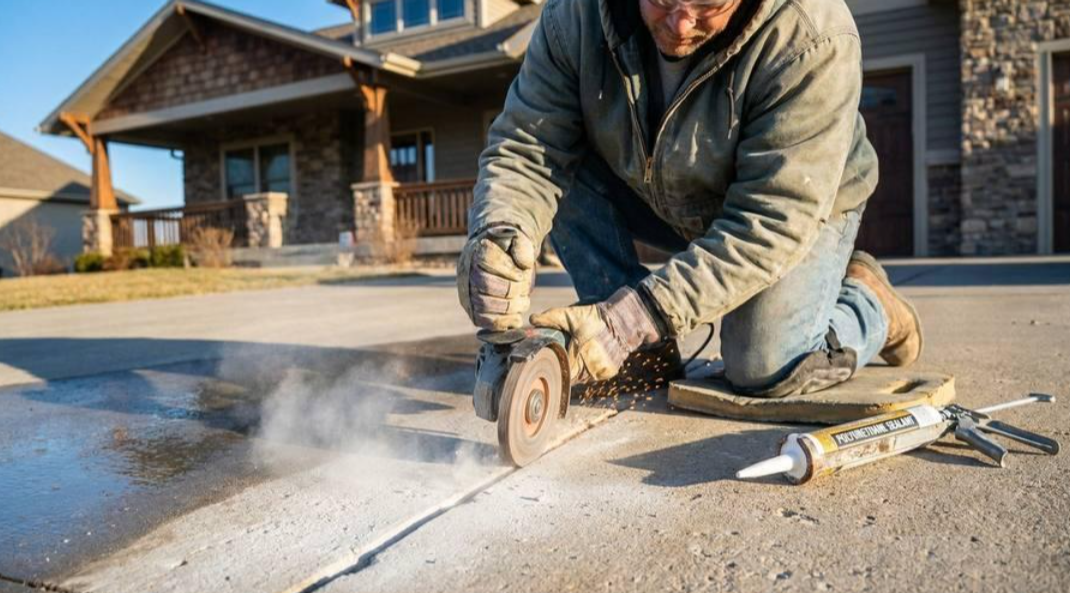
For a homeowner handling cosmetic cracks, the process is direct. Work on a dry day between 55 and 85 degrees, which in the Bay Area usually means mornings in spring and fall.
Step 1: Clean the Crack
Wire-brush loose concrete, vacuum or blow out the dust, rinse, and let the surface dry at least four hours. Fillers will not bond to a dirty or damp crack.
Step 2: Route Medium Cracks
If the crack is dime-width or wider, widen it into a shallow V-groove with a crack chaser wheel on an angle grinder. Counterintuitive as it sounds, a wider opening holds more material and flexes without reopening.
Step 3: Apply the Right Filler
Use a self-leveling polyurethane sealant for hairlines. For routed cracks, use a polymer-modified concrete patch or epoxy-urethane filler. Tool flush and sand after cure. Skip water-thin fillers that tend to settle and crack again within a season. If repair isn't enough, we break down the cost of full replacement in how much do concrete driveways cost.
When Repair Is Not Enough
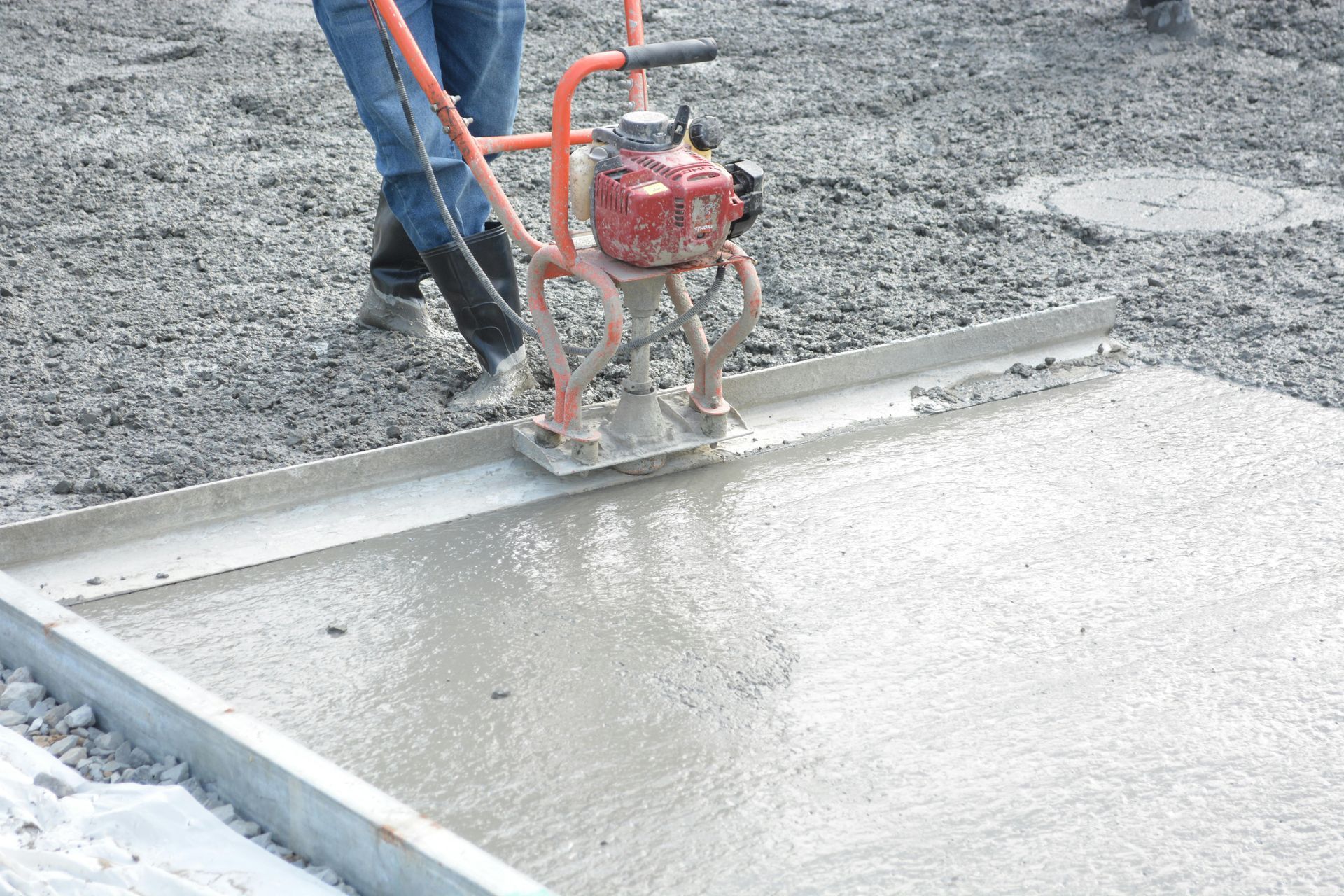
Partial slab replacement is the right call when cracks span more than a third of a panel, pieces have settled by more than a quarter inch, or multiple cracks meet in an X- or stair-step pattern. Those are signs the subgrade failed.
In the East Bay, subgrade failure is usually due to drainage problems. Water undermines clay soil, the soil shifts, and the slab follows. Our guide to foundation drainage explains the same mechanism happening under homes.
A proper replacement saw-cuts the affected section, re-compacts the subgrade, adds steel reinforcement, and pours a mix designed for Bay Area soil and climate. The new panel is typically stronger than the original, and it is unlikely to reopen the cracks you just paid to remove.
Frequently Asked Questions
Can I pressure-wash my concrete driveway before repairing cracks?
Yes, and you should. A clean surface is essential for filler to bond. Use a 25-degree tip at moderate pressure, keep the nozzle about 12 inches away, and let the driveway dry at least 24 hours in Bay Area humidity before sealing. Skip harsh degreasers near unsealed cracks.
How long does a concrete driveway repair last?
A properly sealed hairline crack holds for five to seven years. A routed and patched medium crack lasts three to five years before it needs refreshing. A replaced slab section, cut in and repoured correctly, performs for decades. Cardona Construction installs driveways across Oakland and the East Bay.
Do I need a permit to repair my concrete driveway in the Bay Area?
Sealing and patching cracks do not require a permit. Replacing a panel or the entire driveway usually does, and most East Bay cities require a building or encroachment permit if the driveway meets the sidewalk or public right-of-way. Cardona Construction handles those permits as part of replacement projects.
Fix Driveway Damage the Right Way
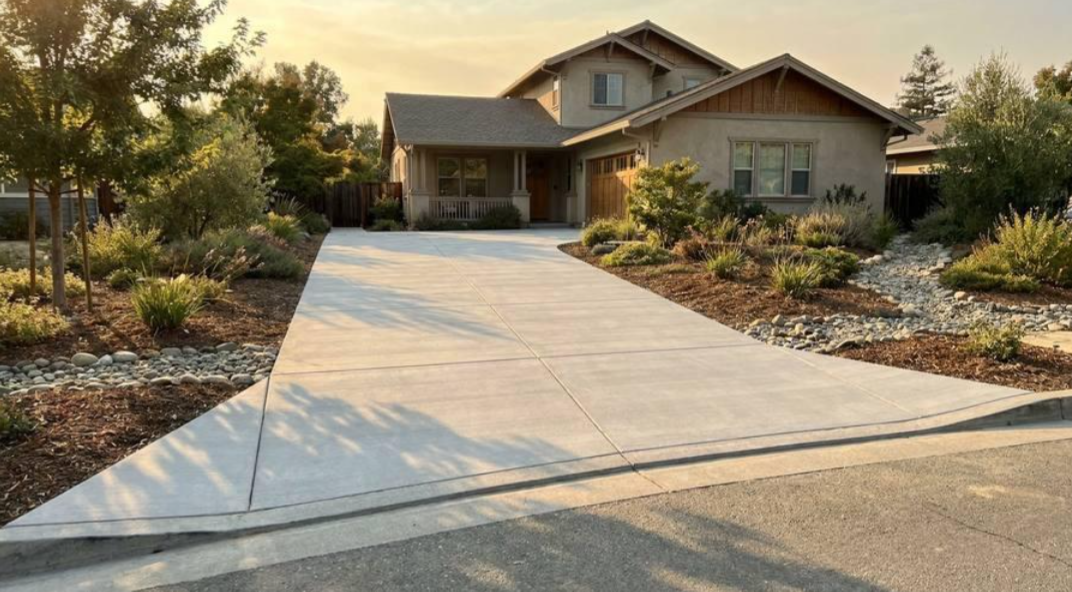
When dealing with cracks in your driveway, here's what you need to remember: seal cosmetic cracks, route and patch cracks caused by settlement, and replace anything that moves. Trouble starts when homeowners treat a moving slab with a tube of caulk and watch the crack reappear every spring. Matching the method to the damage keeps the repair from becoming an annual chore.
If the damage looks worse than a hairline, a site visit will tell you whether patching will hold or whether replacement makes more sense. To schedule a free driveway evaluation, contact Cardona Construction or call (925) 642-6349 .