
Signs of Foundation Problems: What Every Homeowner Should Know
Signs of foundation problems include cracks wider than an eighth of an inch, doors and windows that stick, uneven floors, and gaps between walls and ceilings. Bay Area clay soil makes these symptoms more common and more urgent than in most markets. Cardona Construction evaluates foundations across the Bay Area and handles everything from crack assessment to full foundation replacement.
Have you noticed a new crack along your basement wall, or a door that suddenly sticks every time it rains? Those are exactly the changes Bay Area homeowners need to investigate before the next rainy season makes them worse.
Cracks That Signal Structural Movement
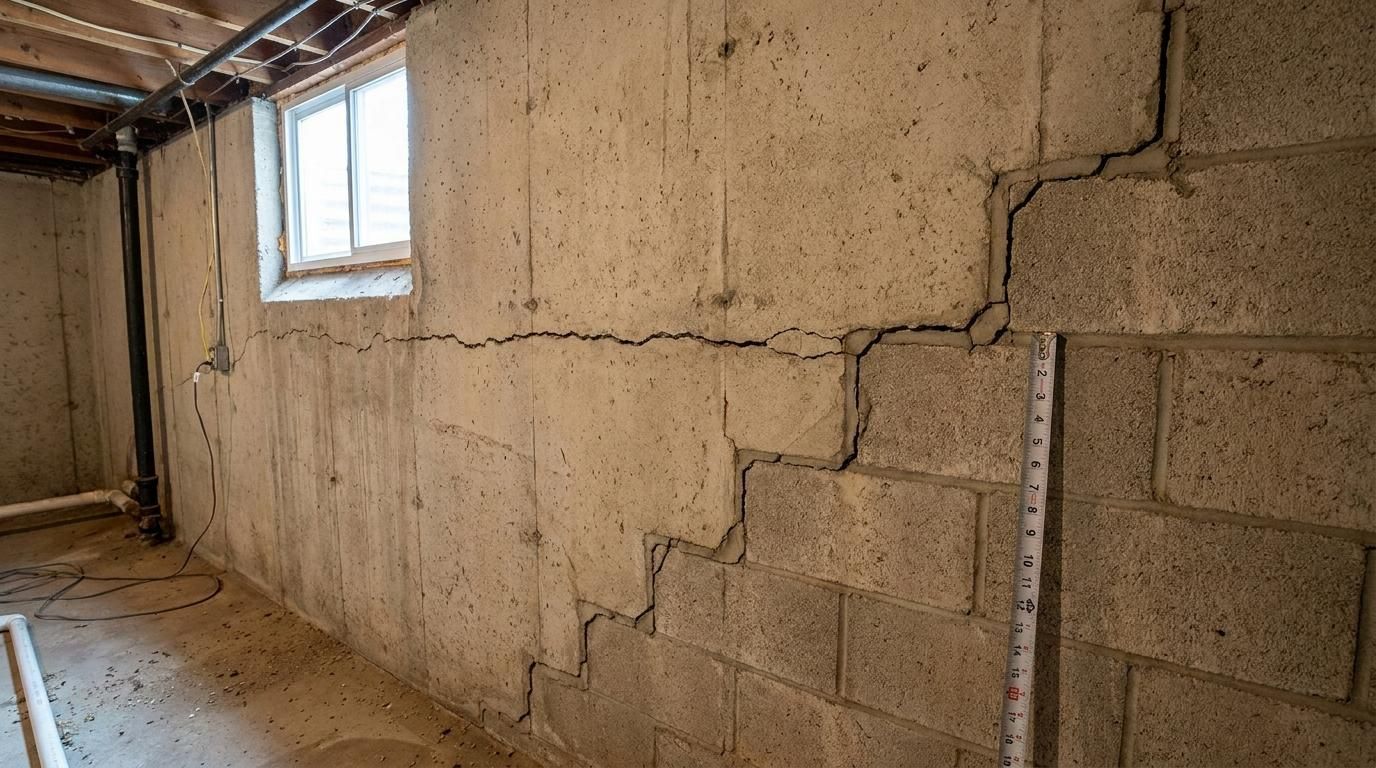
Not all foundation cracks mean the same thing. The direction, width, and rate of growth tell you whether you're seeing normal concrete shrinkage or active structural movement that needs immediate attention.
Horizontal Cracks
Horizontal cracks along a basement or crawl space wall are the most serious type. They indicate lateral soil pressure pushing the wall inward. In the Bay Area, clay soil that expands when wet creates exactly this kind of force. Any horizontal crack wider than an eighth of an inch needs professional evaluation immediately.
Stair-Step and Diagonal Cracks
Stair-step cracks follow the mortar joints in block or brick foundations and signal differential settlement, where one section of the foundation is sinking faster than the rest. Diagonal cracks in poured concrete walls tell a similar story. Cracks wider than a quarter inch or growing over time require a structural assessment. In severe cases, they may indicate the need for house raising and foundation replacement.
Vertical Cracks
Thin vertical cracks under a sixteenth of an inch are usually shrinkage cracks from the original concrete curing process and are cosmetic. Vertical cracks wider than an eighth of an inch, especially if they're wider at the top than the bottom, suggest soil settlement beneath the footing that may be progressing.
Warning Signs Beyond the Foundation Walls
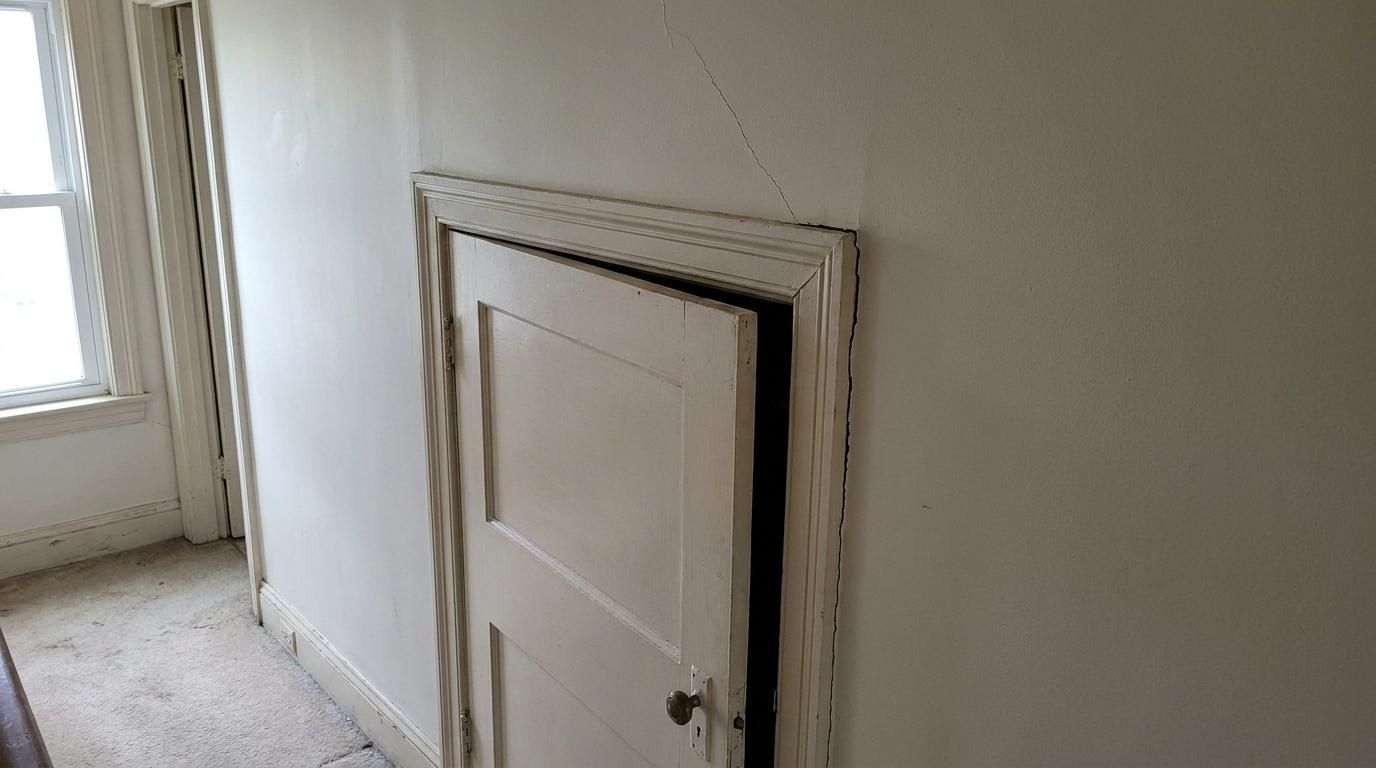
Foundation movement shows up inside your home before you ever look at the foundation itself. These symptoms develop gradually, which is why many homeowners don't connect them to a structural cause until multiple signs appear together.
- Doors and windows that stick, jam, or won't latch (particularly if the problem appeared over several months)
- Floors that slope noticeably toward one side of the house
- Gaps between walls and ceiling or floor trim that weren't visible when you moved in
- Water seepage or damp spots along basement walls after rain
- Cracked interior drywall, particularly above door frames and window headers
Each of these can have other causes. But when two or more appear together, the foundation is the first place to check.
Why These Signs Are Worse in the Bay Area
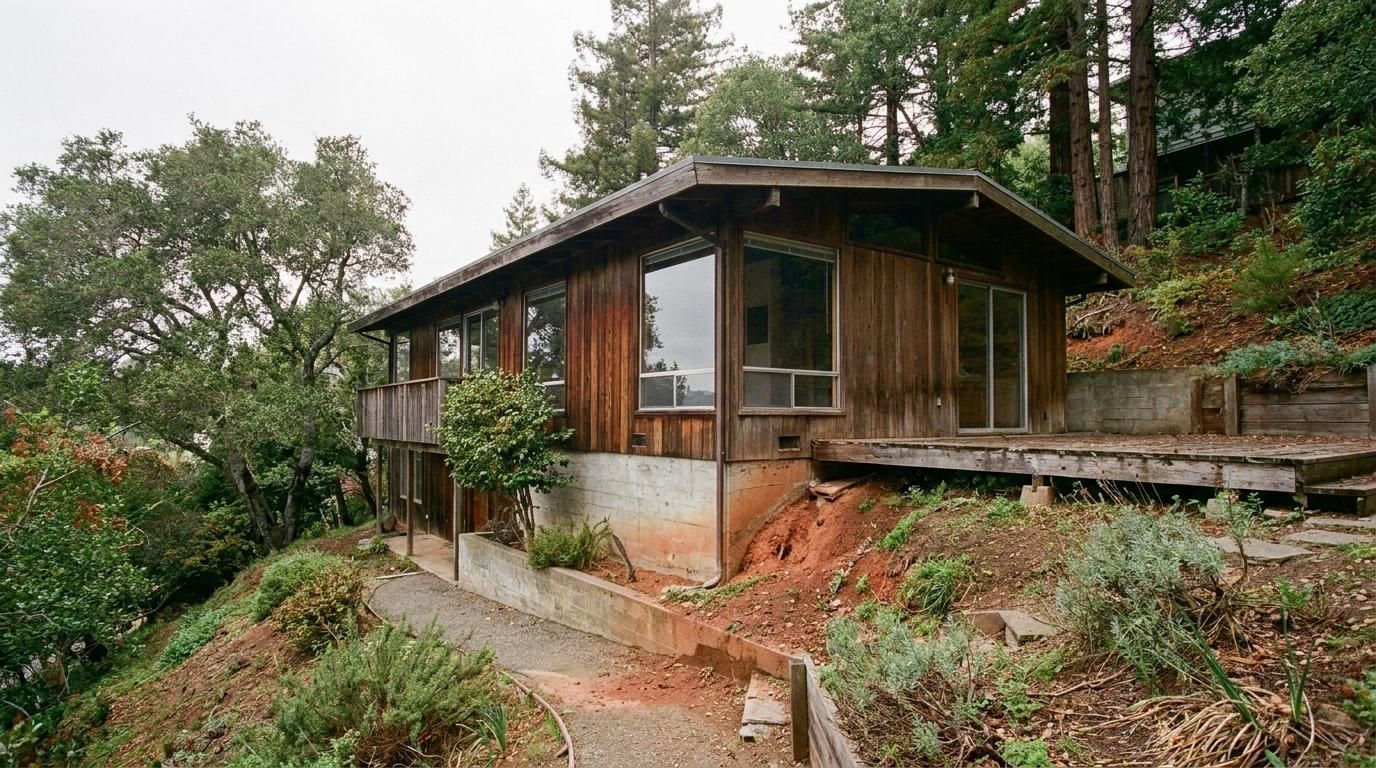
The Bay Area's unique combination of expansive clay soil, historic building codes, and constant seismic threat transforms common wear-and-tear into urgent structural risks.
Expansive Clay Soil and Wet-Dry Cycles
The Bay Area's geology amplifies every foundation problem. Clay soil expands up to 10% in volume when saturated, pressing thousands of pounds of lateral force against foundation walls every winter. When summer dries the clay, it contracts and pulls away, creating gaps that let water penetrate faster the next season.
Outdated Foundation Standards in Older Homes
Homes built before the 1970s across Berkeley, Oakland, El Cerrito, and Richmond were constructed with foundation standards that predate modern building codes. Many sit on unreinforced concrete with no waterproofing and no foundation drainage —conditions that guarantee progressive deterioration over the Bay Area's annual wet-dry cycles.
Increased Vulnerability to Seismic Activity
Seismic activity adds another layer. A foundation weakened by water damage and soil movement performs worse during ground shaking. Grade 60 steel reinforcement, which Cardona Construction uses in every foundation replacement, addresses both water and seismic vulnerability in a single structural upgrade.
Frequently Asked Questions
When should I worry about foundation cracks?
Worry when cracks are wider than an eighth of an inch, running horizontally, or growing over time. Mark the ends of a crack with a pencil and measure again in four weeks. If it's longer or wider, that's active structural movement that needs professional evaluation before the next rainy season.
How much does it cost to fix foundation problems in the Bay Area?
Foundation repair in the Bay Area ranges from $5,000 for basic structural work to $20,000 or more for major interventions. Full foundation replacement runs $20,000 to $100,000 depending on home size and engineering requirements. Cardona Construction provides free assessments for Oakland homeowners and across the Bay Area to determine scope before quoting.
Can I sell a house with foundation problems?
Yes, but California disclosure laws require you to report known structural issues to buyers. Unresolved foundation problems reduce sale price far more than the cost of repair. Fixing the foundation before listing protects your equity and speeds the transaction considerably.
Catch Foundation Problems While They're Still Small
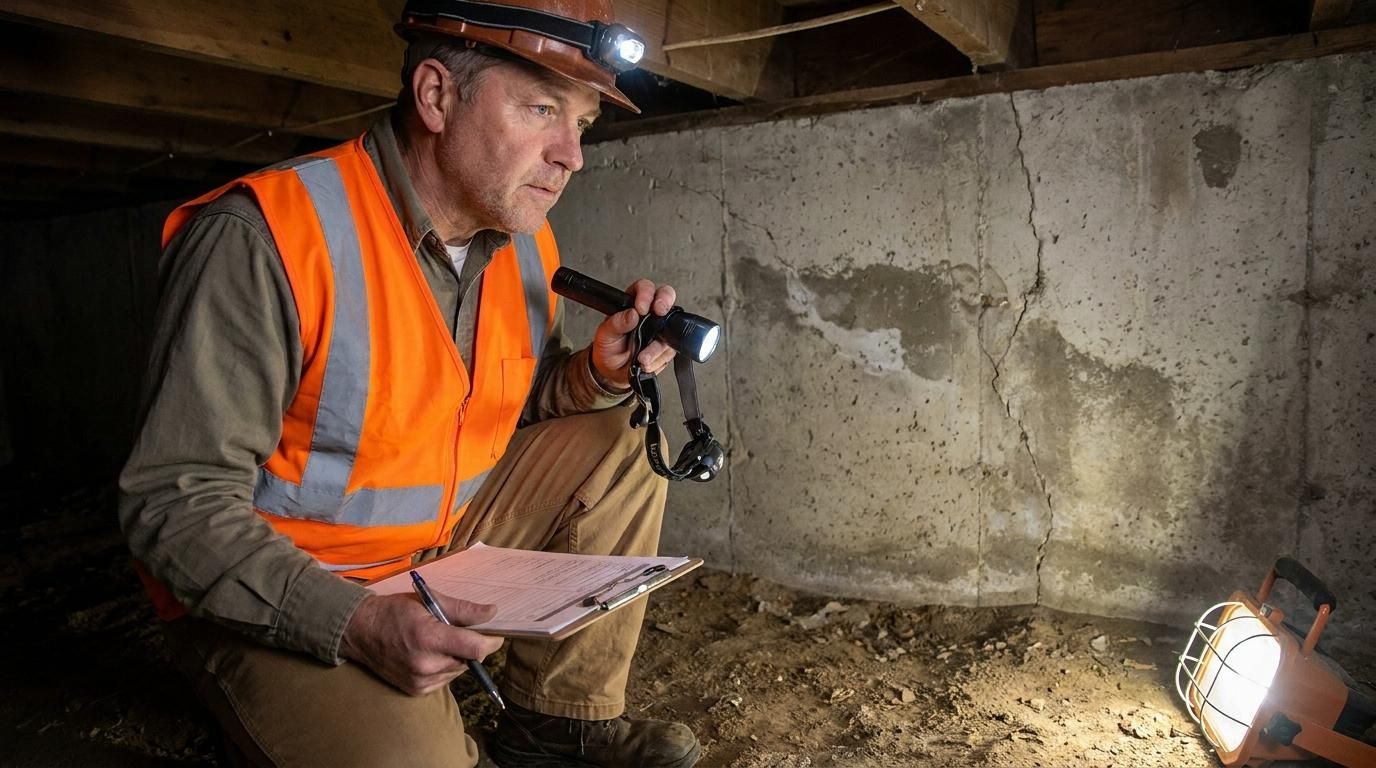
Every foundation problem starts small. Hairline cracks become structural fractures. Minor settling becomes visible floor slope. The cost of repair climbs with every season of water pressure and soil movement working against an untreated foundation.
Contact Cardona Construction at (925) 642-6349 or schedule your free foundation assessment before the next rainy season.